Voyager 1 X-band
astrophysical · 37 views
astrophysicalstochastic
What It Is
Breakthrough Listen Voyager 1 fine-res spectrum at X-band (8419 MHz, 2.79 Hz/chan, ~1M channels) --- known artificial residual carrier + telemetry sidebands at +/-22.5 kHz, ~3x noise median. DC filterbank artifact masked. Most random trial windows see GBT noise floor; rare windows capture the narrowband signal (public, Breakthrough Listen)
Interpretation
Standard analysis sees: aperiodic / broadband; high-complexity (noise-like); monofractal. The atlas detects no named structure beyond this.
What standard analysis sees
tail heaviness0.59
asymmetry0.34
occupancy0.55
short-range corr0.35
long-range memory0.38
spectral colour0.70
periodicity0.14
complexity0.94
time-irreversibility0.70
volatility clustering0.27
multifractality0.13
dimensionality0.85
nonstationarity0.36
What the atlas adds
Nothing beyond the standard reading — this source’s structure is already captured by standard features; the atlas adds no named residual.
Composition
dtypefloat64
range[112, 112.9]
unique values16378 / 16384
mean ± std112 ± 0.114
Render Gallery
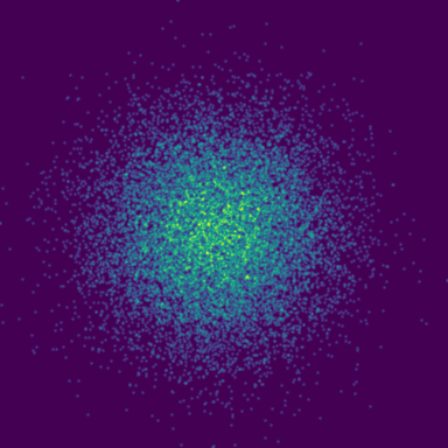
Native > phase_plotraw
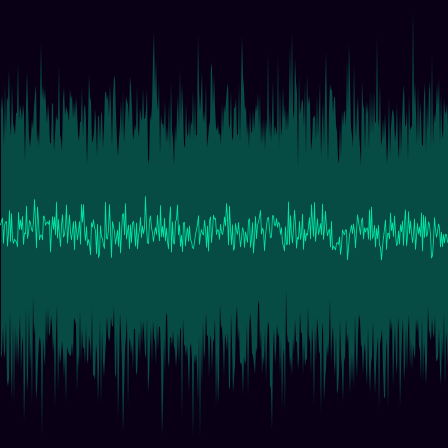
Native > timeseriesraw
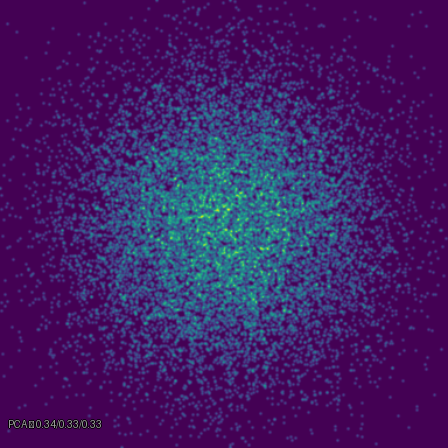
Native > triple_latticeraw
Boltzmann > lag_map
Boltzmann > spin_grid
Cayley > default
Chladni > free_plate_nodal
Chladni > plate_bottom
Chladni > plate_top
_(centered)/signed_log_z/Voyager_1_X-band.png)
Heisenberg (Nil) (centered) > signed_log_z
_(centered)/xy_path/Voyager_1_X-band.png)
Heisenberg (Nil) (centered) > xy_path
Hodge–Laplacian > default
/barcode/Voyager_1_X-band.png)
Inflation (Substitution) > barcode
/d_curve/Voyager_1_X-band.png)
Inflation (Substitution) > d_curve
Information Theory > default
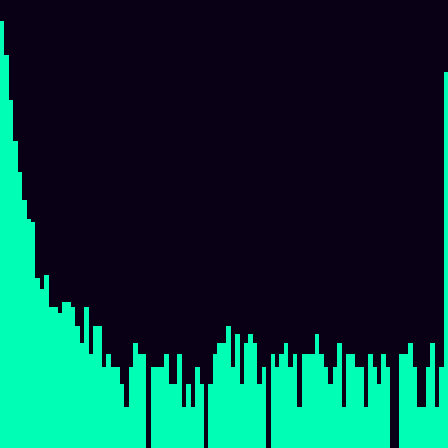
Julia Set > escape_histogram
Klein Bottle > default
Laplacian > default
Logarithmic Spiral > default

Möbius-S³ > mobius_cylinder

Möbius-S³ > s2_base_map
Ordinal Partition > default
/phi_spectrum/Voyager_1_X-band.png)
Penrose (Quasicrystal) > phi_spectrum
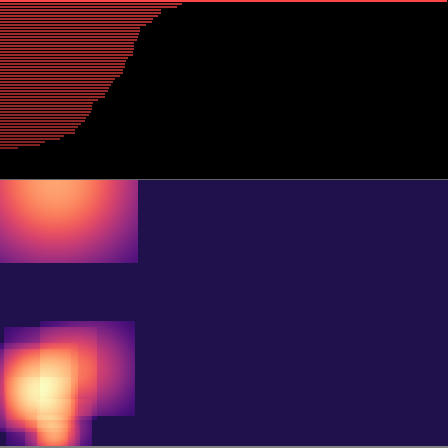
Persistent Homology > barcode
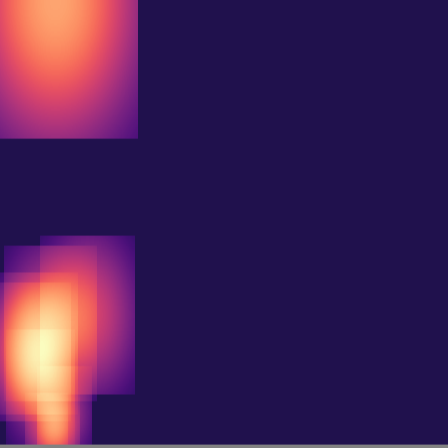
Persistent Homology > h1_diagram
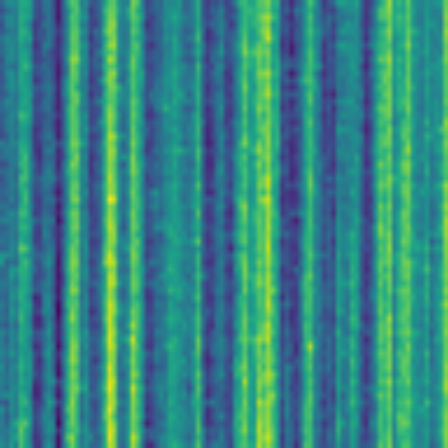
Predictability > default
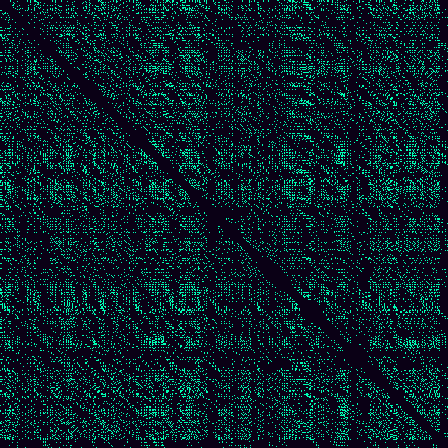
Recurrence Quantification > default
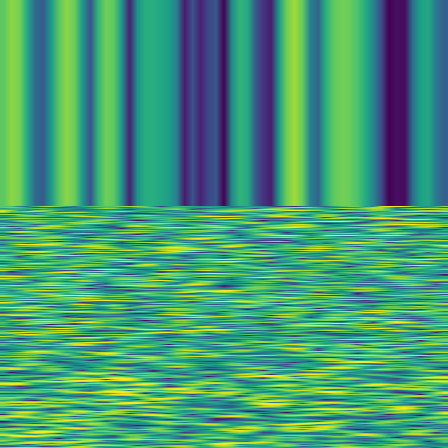
Spectral Analysis > default
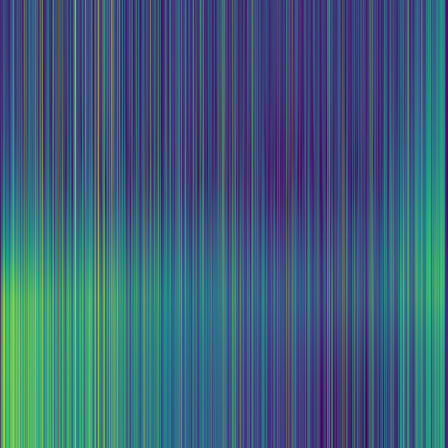
Spectral Graph > default
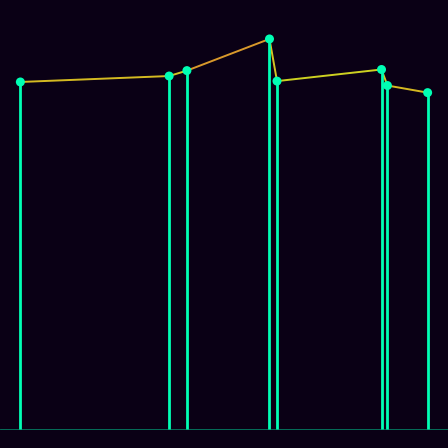
Spirograph > mode_spectrum
Spirograph > phasor_trajectory

Symplectic > flux_grid
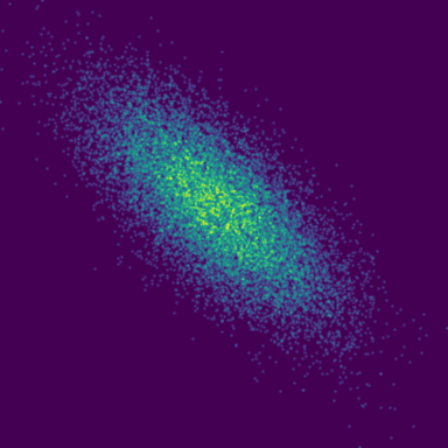
Symplectic > phase_space
/default/Voyager_1_X-band.png)
Ulam Spiral (Sacks) > default
/default/Voyager_1_X-band.png)
Ulam Spiral (Square) > default
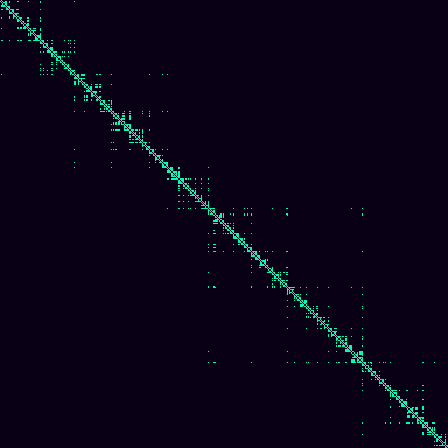
Visibility Graph > default
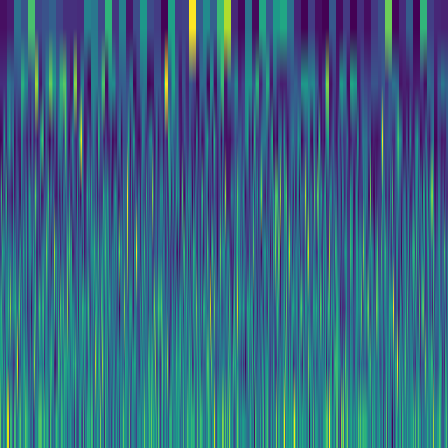
Wavelet Cascade > default
Atlas Position
| Nearest neighbor | Distance | |
|---|---|---|
| VLF Radio (Eclipse) | 2.94 | cross-origin |
| VLF Radio (Baseline) | 2.95 | cross-origin |
| Tohoku Aftershock Intervals | 3.04 | cross-origin |
Which Geometries Light Up
This source does not rank extreme on any metric.
← Sunspot Numberin number-theory
← / → within domain · ⇧← / ⇧→ alphabetical · ⇧← / ⇧→ inside an open render = same view across sources