Chladni Plate Mode
What It Is
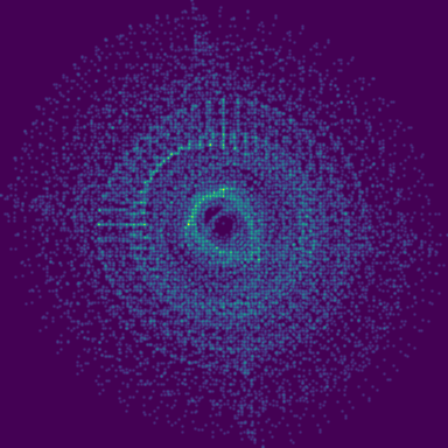
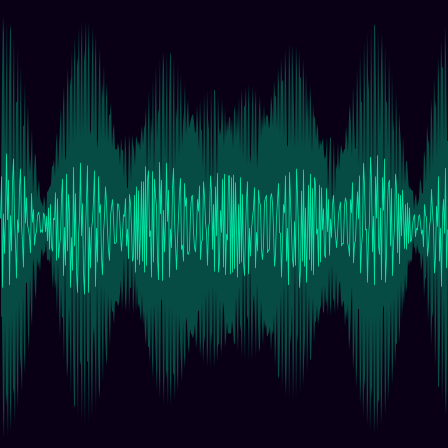
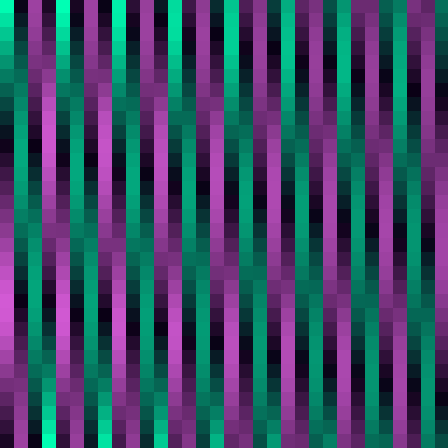
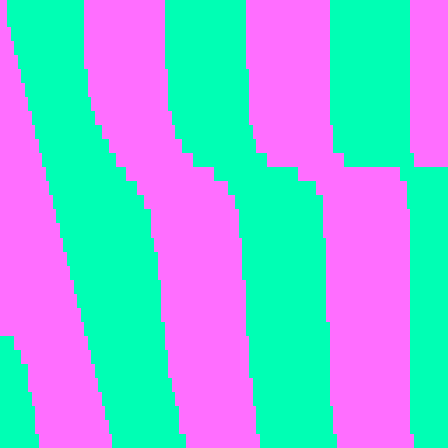
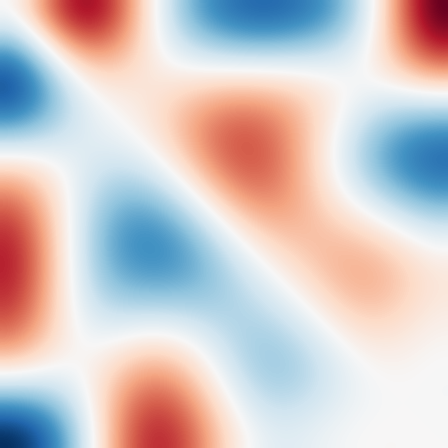
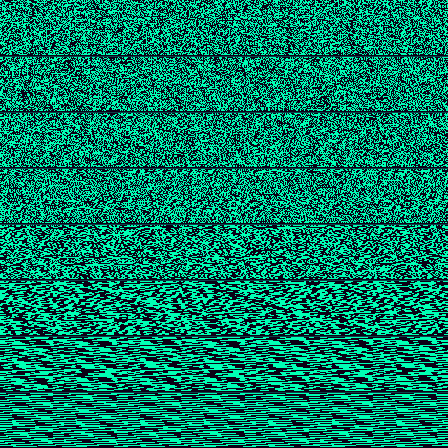
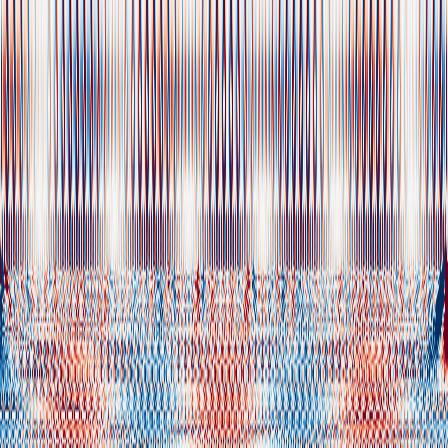
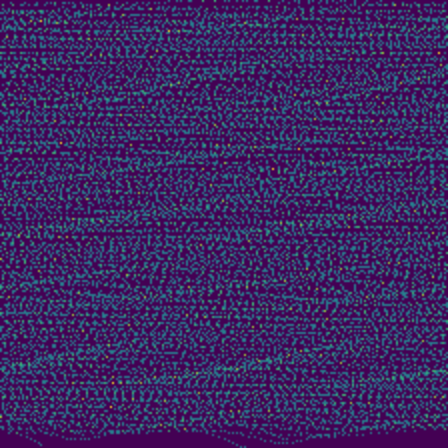
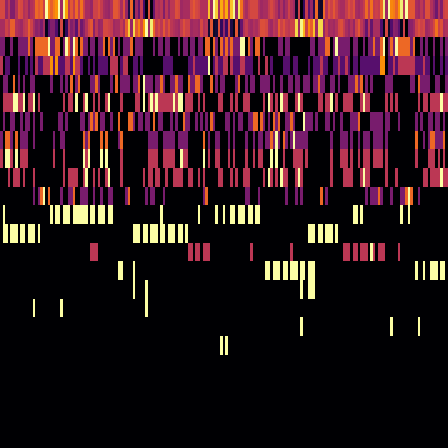
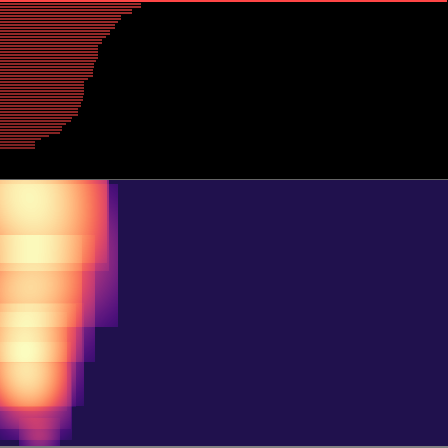
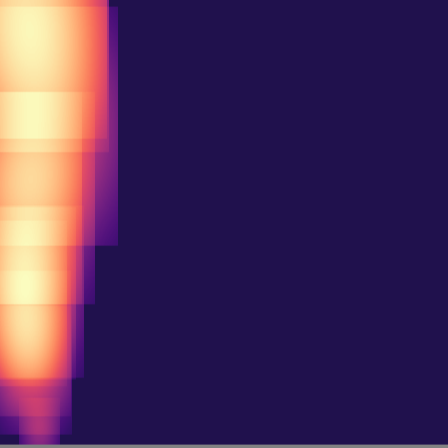
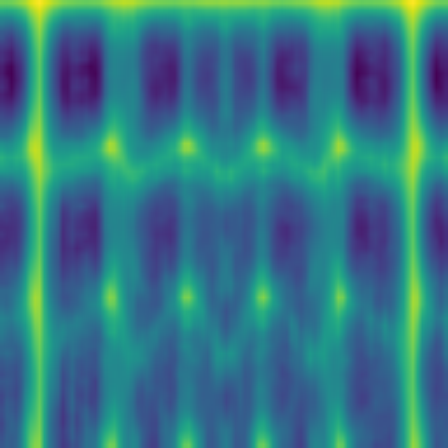
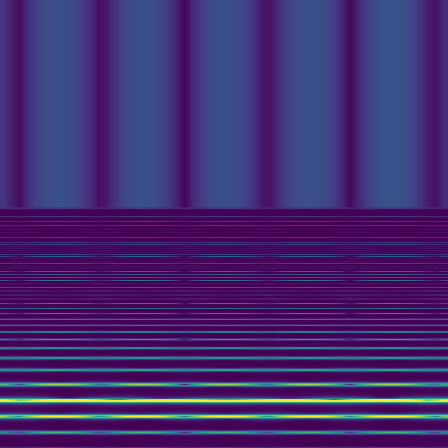
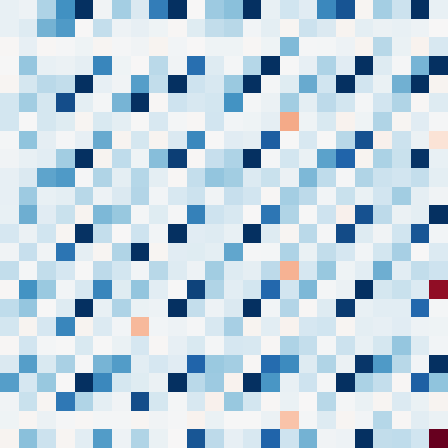
Square plate vibration eigenmode with free edges, Z_{n,m}(x,y) = cos(nπx/L)cos(mπy/L) − cos(mπx/L)cos(nπy/L), evaluated on a √size × √size grid and raster-scanned to 1D. Mode (n,m) drawn per call from {(3,1),(5,2),(4,3),(7,2),(6,5)} --- non-trivial Chladni figures with intersecting nodal lines. The 2D nodal pattern is the canonical plate-vibration positive control: sand falls to nodal lines where Z=0. Raster encoding produces row-periodicity at stride √size + slower across-row modulation, mirroring the row/column lattice that Chladni geometry's nodal_* and plate_low_mode_fraction metrics target.
Interpretation
Standard analysis sees: no strongly notable standard properties. The atlas finds no named structure, but the source is distinctively extreme on Nonstationarity:regime_persistence (+3.5z) — beyond what the standard bank predicts for it.
Nonstationarity:regime_persistence | +3.5z | bank-miss 2.3σ |
Composition
Render Gallery
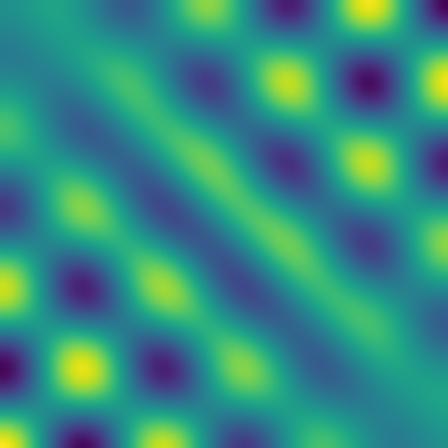
_(centered)/signed_log_z/Chladni_Plate_Mode.png)
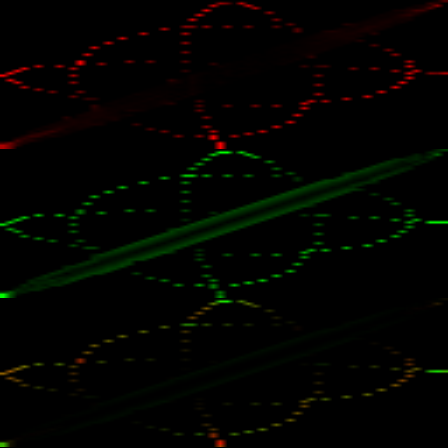
_(centered)/xy_path/Chladni_Plate_Mode.png)
/barcode/Chladni_Plate_Mode.png)
/d_curve/Chladni_Plate_Mode.png)
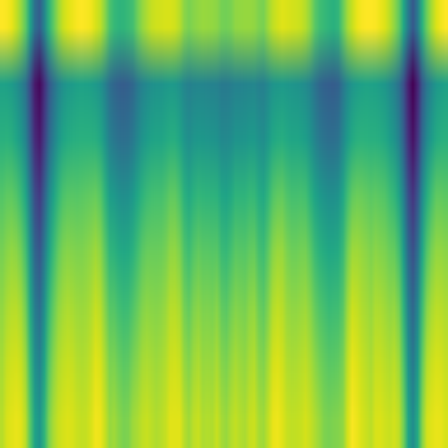
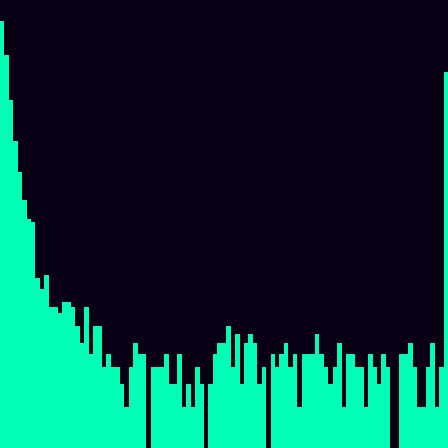


/phi_spectrum/Chladni_Plate_Mode.png)
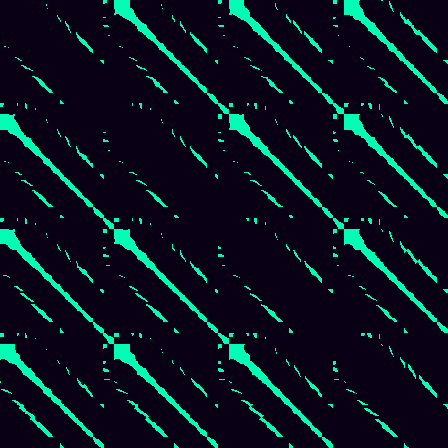
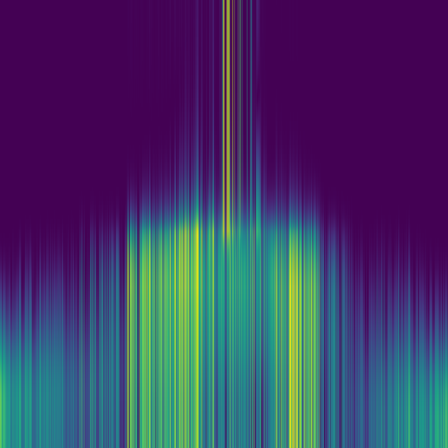
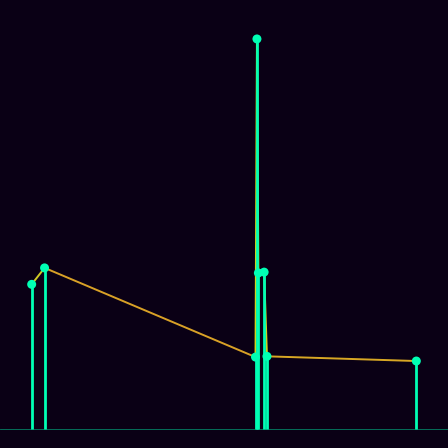
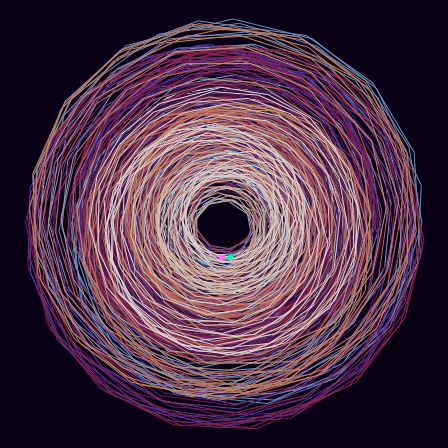
/default/Chladni_Plate_Mode.png)
/default/Chladni_Plate_Mode.png)
Atlas Position
| Nearest neighbor | Distance | |
|---|---|---|
| Ruelle-Takens Cascade | 4.15 | cross-origin |
| Tidal Gauge (SF) | 4.25 | cross-origin |
| Kuramoto Oscillators | 4.35 | cross-origin |
Which Geometries Light Up
This source does not rank extreme on any metric.